Table of Contents
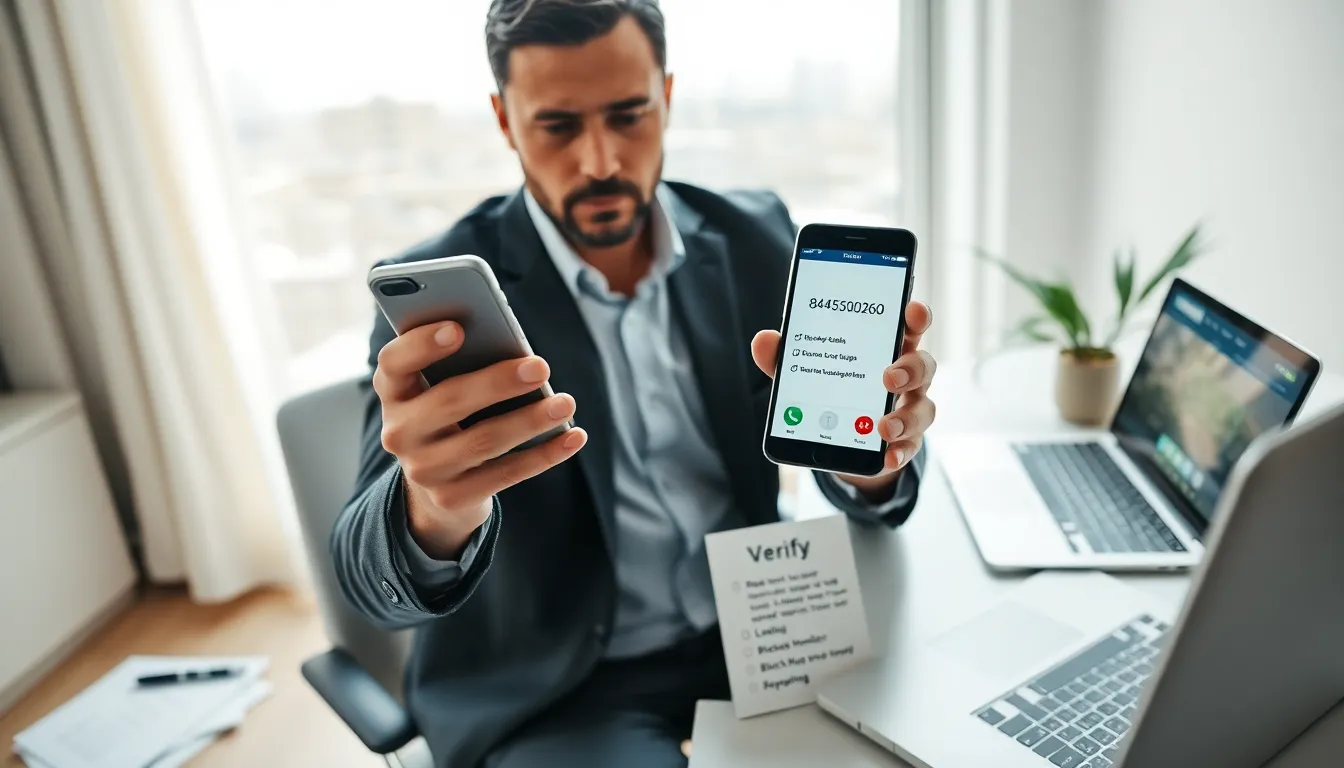
ToggleSomeone called from 8445350260 and left a missed call. The reader wants to know who called and if the call is safe. This article identifies the number, lists warning signs, and gives clear steps to verify and respond.
Key Takeaways
- 8445350260 is a toll-free number with mixed reports—treat unknown calls from it as potentially sales, robocalls, or scams until verified.
- If the caller left a voicemail, use the message content to judge risk and never provide personal or payment information on a cold call.
- Verify any claims by hanging up and calling the organization using the phone number on your account statement or official website, not the incoming caller ID.
- If you already shared data after a call from 8445350260, act quickly: change passwords, contact your bank, enable fraud alerts, and monitor accounts.
- Block and report 8445350260 to your carrier and federal agencies, register on the Do Not Call list, and use call-blocking apps to reduce future unwanted calls.
Quick Identification: What The Number Shows
The number 8445350260 appears as a toll-free number. Toll-free numbers often serve businesses. Scammers also use toll-free numbers to seem legitimate. A quick web search shows mixed reports for 8445350260. Some users report sales calls. Other users report automated robocalls. The presence of complaints does not prove fraud. The pattern of calls around timing and message content helps decide risk. If the caller left a voicemail, the voicemail gives the clearest hint. If the voicemail asks for payment or personal details, treat the call as suspicious.
Is This Call Likely Scam, Spam, Or Legitimate?
Many doubts arise when someone sees 8445350260. The call may be spam, scam, or a legitimate business. The reader should use context to judge the call. If someone did not sign up for a service, a business call likely means a wrong number or a marketing list. If the caller pressured for money or personal data, the call likely is a scam. If the caller offered an appointment or delivery tied to an account the person holds, the call may be legitimate.
Common Red Flags And Scam Patterns
Scammers use urgency and threats. They often demand immediate payment or ask for one-time access codes. They request full Social Security numbers or bank passwords. They ask the person to pay with gift cards or wire transfers. Fraud calls may use poor grammar or odd phrasing. The caller may refuse to send written details or official emails. These signs indicate scam. The presence of one sign does not guarantee fraud, but multiple signs increase risk.
How To Verify The Caller’s Identity Safely
Verification protects the person from fraud. The reader should not give personal data on a cold call. Instead, they should confirm the caller identity through independent channels. If the call claims to come from a bank, the person should hang up and call the bank number on their account statement. If the call claims to come from a service, the person should use the official website phone number. If the caller sends a text with a link, the person should avoid clicking the link until they confirm the sender.
What To Do If You Answered Or Gave Information
A quick response can limit damage. The person should act fast if they shared data after a call from 8445350260. They should treat the call as a data breach until they confirm otherwise. The person should secure accounts and monitor for fraud.
Blocking, Reporting, And Preventing Future Calls
Blocking and reporting can reduce repeat calls. The reader should block 8445350260 on their device. They should also report the number to their carrier and to federal agencies.
Practical Tips To Reduce Unwanted Calls Long-Term
Register the phone number on the National Do Not Call Registry. The registry reduces telemarketing calls but not all scam calls. Use a call-blocking app with verified caller lists. Do not answer calls from unknown numbers if the person cannot take time to verify them. Review privacy settings on accounts and limit data sharing. When signing up for services, use an email and phone that limit exposure. Regularly check bank and credit statements for unexpected activity. These habits reduce the volume of unwanted calls over time.