Table of Contents
ToggleParenting after divorce trends 2026 point to significant shifts in how separated families manage shared responsibilities. More parents now prioritize cooperation over conflict. Technology plays a larger role in custody communication. Legal systems adapt to modern family structures. Mental health receives greater attention for both children and adults.
This article explores four key parenting after divorce trends shaping 2026. These developments reflect changing attitudes about what works best for children in divided households.
Key Takeaways
- Parenting after divorce trends 2026 show collaborative co-parenting and mediation replacing adversarial approaches, with courts increasingly mandating co-parenting classes.
- Co-parenting apps like OurFamilyWizard are used by 68% of divorced parents to streamline scheduling, expense tracking, and communication.
- Legal systems now favor equal shared custody as the default, giving fathers more custody time and recognizing the importance of both parents.
- Flexible custody schedules such as 2-2-3 rotations and bird-nesting arrangements are replacing traditional every-other-weekend formulas.
- Mental health support for both children and parents has become a standard part of custody agreements, including therapy and co-parenting counseling.
- Parenting after divorce trends emphasize routine, predictability, and extended family involvement to help children adjust to new family structures.
The Rise of Collaborative Co-Parenting Models
Collaborative co-parenting has become a dominant approach in 2026. Parents increasingly view their relationship as a business partnership focused on child welfare. This shift marks a departure from adversarial dynamics that defined previous generations.
Parenting after divorce trends show that structured co-parenting agreements now include detailed provisions. These cover decision-making processes, conflict resolution methods, and regular check-ins between households. Many families create written parenting plans that specify everything from bedtime routines to screen time limits.
Co-parenting classes have gained popularity across the United States. Courts in many states now mandate these programs before finalizing divorce proceedings. The classes teach communication skills, boundary-setting, and child-centered decision making.
Parallel parenting offers an alternative for high-conflict situations. This model limits direct contact between parents while maintaining consistent care for children. Each parent follows agreed-upon rules but operates independently in their own household.
Family mediators report increased demand for their services. Parents prefer working with neutral third parties rather than fighting in courtrooms. Mediation costs less, takes less time, and often produces better outcomes for children.
Parenting after divorce trends in 2026 also highlight the role of extended family. Grandparents, aunts, and uncles receive formal inclusion in parenting plans more often. This creates larger support networks for children adjusting to new family structures.
Technology Reshaping Shared Custody Communication
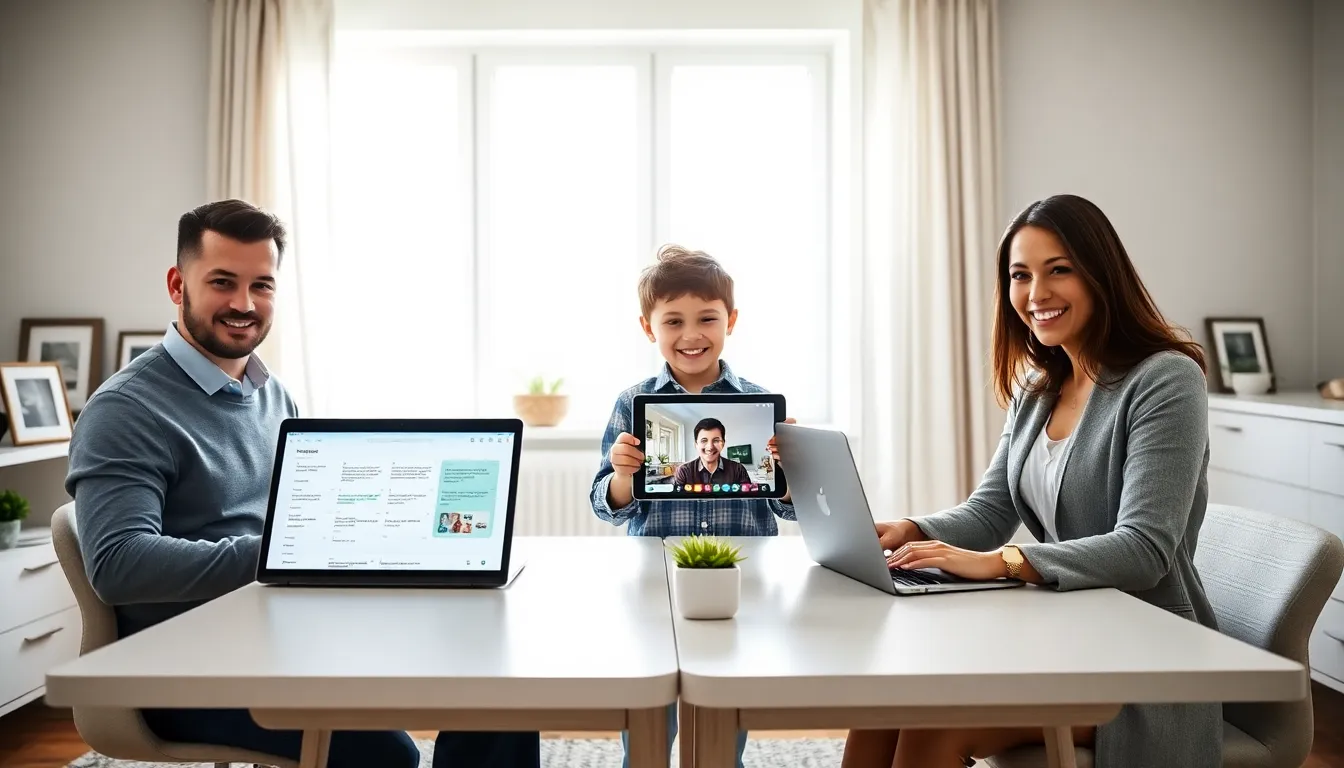
Digital tools have transformed how divorced parents coordinate child care. Co-parenting apps like OurFamilyWizard, Cozi, and TalkingParents see record adoption rates in 2026. These platforms centralize schedules, expenses, and messages in one place.
Parenting after divorce trends reveal that 68% of divorced parents now use dedicated co-parenting software. These apps reduce misunderstandings by creating documented records of all communications. Courts can access these records if disputes arise.
Shared calendars eliminate scheduling conflicts. Parents sync pickup times, school events, medical appointments, and extracurricular activities. Automatic reminders keep both households informed about upcoming obligations.
Expense tracking features simplify financial disagreements. Parents log child-related costs and split them according to their custody agreement. The apps calculate who owes what, removing a common source of tension.
Video calling maintains parent-child connections during custody transitions. Children speak with their other parent regularly, even during extended stays. This technology helps reduce separation anxiety and maintains relationship continuity.
Parenting after divorce trends in 2026 show GPS-based custody tracking gaining acceptance. Some apps notify parents when children arrive safely at the other household. This feature works best when both parents agree to use it voluntarily.
Artificial intelligence now assists with parenting communications. Some apps flag potentially hostile language before messages send. This helps parents maintain respectful exchanges even during stressful moments.
Shifting Custody Arrangements and Legal Perspectives
Legal frameworks around custody continue evolving in 2026. More states now presume equal shared custody as the starting point. This represents a major change from traditional mother-primary arrangements.
Parenting after divorce trends indicate that fathers receive more custody time than in previous decades. Courts recognize that children benefit from strong relationships with both parents. Research supporting this view has influenced judges nationwide.
Flexible custody schedules replace rigid every-other-weekend formulas. Many families adopt 2-2-3 rotations or week-on-week-off arrangements. These patterns give children consistent time with each parent.
Bird-nesting arrangements attract attention as an alternative custody model. Children stay in the family home while parents rotate in and out. This approach minimizes disruption for kids but requires high cooperation between adults.
Parenting after divorce trends show courts paying more attention to each parent’s involvement before divorce. Judges consider who attended doctor appointments, helped with assignments, and managed daily routines. This historical caregiving pattern often influences custody decisions.
Relocation restrictions have tightened in many jurisdictions. Parents with shared custody face limits on moving away with children. Courts require proof that moves serve children’s best interests, not just parental preferences.
Virtual visitation now receives legal recognition in custody orders. Judges include specific provisions for video calls and digital communication. These arrangements supplement physical custody time rather than replace it.
Mental Health Prioritization for Children and Parents
Mental health support has become central to parenting after divorce trends in 2026. Parents recognize that emotional well-being affects every aspect of post-divorce adjustment. Children receive more proactive mental health care than ever before.
Therapy for children of divorce is now standard practice. Many custody agreements include provisions for counseling services. Parents share these costs and cooperate on treatment decisions.
Children’s support groups provide peer connections. Kids meet others experiencing similar family changes. These groups normalize their feelings and teach healthy coping strategies.
Parenting after divorce trends emphasize adult mental health equally. Parents who manage their own stress parent more effectively. Individual therapy helps adults process grief, anger, and fear about their changed circumstances.
Co-parenting counseling addresses relationship dynamics between former spouses. These sessions focus on communication patterns and trigger points. Therapists help parents separate their romantic history from their parenting partnership.
Schools play a larger role in supporting children through divorce transitions. Counselors check in with affected students regularly. Teachers receive training on recognizing signs of distress.
Parenting after divorce trends in 2026 highlight the importance of routine and predictability. Mental health professionals advise consistent schedules across both households. Children feel more secure when they know what to expect.
Mindfulness practices gain traction in divorced families. Parents teach children breathing exercises and emotional regulation techniques. These skills help everyone manage the stress that accompanies major life changes.