Table of Contents
ToggleReading and literacy development forms the foundation of all future learning. Children who build strong reading skills early gain advantages that extend well beyond the classroom. They perform better academically, develop stronger critical thinking abilities, and enjoy greater career opportunities as adults.
But literacy doesn’t happen by accident. It requires intentional support, the right strategies, and an understanding of how reading skills actually develop. Whether someone is a parent, educator, or simply curious about language acquisition, understanding literacy development helps them make informed decisions that benefit young learners.
This article breaks down the stages of literacy development, explores the factors that shape reading abilities, and offers practical strategies anyone can use to support literacy growth.
Key Takeaways
- Reading and literacy development follows four predictable stages, from pre-reading (birth to age 5) through fluent reading (age 9+), with each phase requiring different support strategies.
- Early language exposure through conversations, reading aloud, and rich vocabulary use directly shapes a child’s future reading comprehension abilities.
- Explicit, systematic phonics instruction combined with comprehension strategies produces the strongest readers according to research.
- Daily read-alouds expose children to advanced vocabulary and sentence structures beyond their independent reading level, boosting comprehension skills.
- Home environment matters—children who see adults reading and have access to books at their skill level develop stronger literacy skills.
- Early intervention is critical for struggling readers; seek assessment from a reading specialist if a child isn’t progressing despite quality instruction.
The Stages of Literacy Development
Literacy development follows a predictable sequence, though children progress at different rates. Understanding these stages helps caregivers and educators provide appropriate support at each phase.
Pre-Reading Stage (Birth to Age 5)
Before children read actual words, they develop foundational skills. They learn that books have pages, that text moves left to right, and that printed words carry meaning. During this stage, children also build phonological awareness, the ability to hear and manipulate sounds in spoken language.
Activities like rhyming games, singing songs, and reading aloud introduce children to language patterns. These early experiences with books and language set the stage for formal reading instruction.
Emergent Reading Stage (Ages 5-7)
Children in this stage begin connecting letters to sounds. They start recognizing common words by sight and use picture clues to understand stories. Reading at this stage is often slow and effortful as children sound out unfamiliar words.
Phonics instruction plays a critical role here. Children learn letter-sound relationships systematically, building the decoding skills they need to tackle new words independently.
Developing Reading Stage (Ages 7-9)
Readers at this stage become more fluent. They recognize more words automatically, which frees up mental energy for comprehension. They begin reading for information, not just for decoding practice.
Vocabulary expansion becomes increasingly important during this phase. The more words children know, the easier they find it to understand what they read.
Fluent Reading Stage (Ages 9 and Beyond)
Fluent readers process text quickly and accurately. They adjust their reading speed based on the material’s difficulty. They also develop metacognitive skills, they know when they don’t understand something and can apply strategies to fix comprehension breakdowns.
Reading and literacy development continues throughout life. Adult readers continue expanding vocabulary, encountering new genres, and refining their comprehension strategies.
Key Factors That Influence Reading Skills
Multiple factors shape how well someone develops reading abilities. Some factors are biological, while others relate to environment and instruction.
Language Exposure
Children who hear rich, varied language from birth develop larger vocabularies. They encounter more sentence structures and absorb more background knowledge. This language foundation directly supports later reading comprehension.
Conversation matters as much as reading aloud. When adults engage children in discussions, ask questions, and expand on children’s statements, they build the oral language skills that transfer to reading.
Quality of Instruction
Effective reading instruction makes a significant difference in literacy development. Research consistently shows that explicit, systematic phonics instruction helps most children learn to decode. Balanced literacy approaches that combine phonics with comprehension strategies and exposure to authentic literature produce strong readers.
Teacher expertise matters too. Educators trained in the science of reading can identify struggling readers early and provide targeted intervention.
Home Environment
Homes filled with books, where reading is valued and modeled, produce stronger readers. When children see adults reading for pleasure and information, they understand that reading serves real purposes.
Access to books also matters practically. Children need materials at their reading level to practice skills independently. Libraries, classroom libraries, and home book collections all contribute to literacy development.
Socioeconomic Factors
Unfortunately, socioeconomic status correlates with reading achievement. Children from lower-income families often have less access to books, fewer educational resources, and less time with adults who can read to them. These gaps can be addressed through quality early childhood programs, well-funded schools, and community literacy initiatives.
Effective Strategies to Support Literacy Growth
Anyone supporting a developing reader can use evidence-based strategies to accelerate literacy growth.
Read Aloud Daily
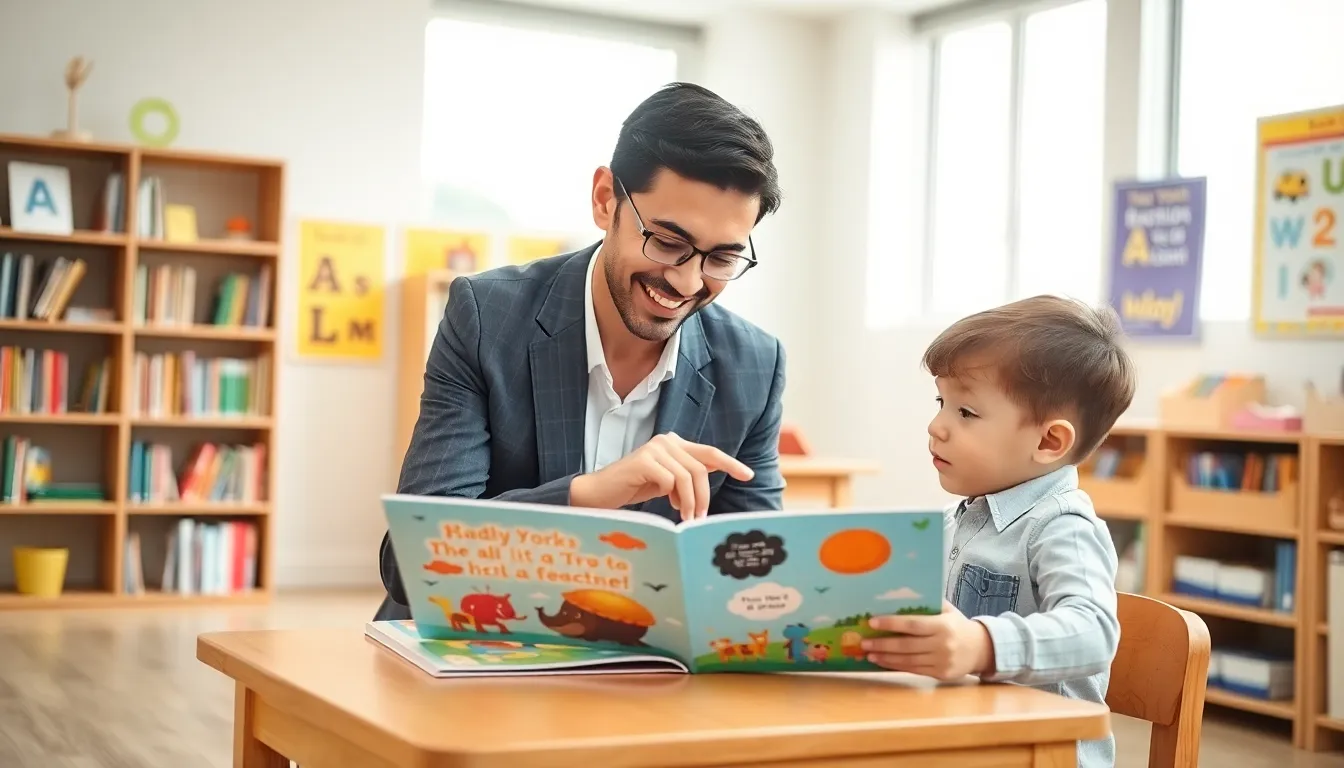
Reading aloud exposes children to vocabulary and sentence structures beyond their independent reading level. It builds listening comprehension, which supports reading comprehension later. Even older children benefit from hearing fluent reading modeled.
Choose engaging books and read with expression. Pause to discuss the story, ask prediction questions, and connect events to children’s experiences.
Build Vocabulary Intentionally
Vocabulary knowledge strongly predicts reading comprehension. Teach new words explicitly by defining them, using them in context, and providing multiple exposures. Encourage word curiosity, when children encounter unfamiliar words, help them figure out meanings through context clues or dictionary use.
Wide reading builds vocabulary naturally. Children who read extensively encounter thousands of words in meaningful contexts.
Practice Phonemic Awareness
For beginning readers, phonemic awareness activities strengthen the foundation for decoding. Practice blending sounds into words, segmenting words into sounds, and manipulating sounds within words. These skills transfer directly to reading and spelling.
Encourage Independent Reading
Children become better readers by reading. Provide time, access to appealing books, and choice in what to read. When children select their own reading material, motivation increases.
Match books to readers’ skill levels. Books that are too difficult frustrate learners, while books at the right level build fluency and confidence.
Support Struggling Readers
Some children need extra help with reading and literacy development. Early intervention produces the best outcomes. If a child struggles even though quality instruction, seek assessment from a reading specialist. Targeted instruction addressing specific skill gaps can get struggling readers back on track.
The Role of Technology in Modern Literacy Education
Technology has changed how people learn to read and how they practice reading skills. Used thoughtfully, digital tools can support literacy development.
Educational Apps and Programs
Many apps provide phonics practice, vocabulary games, and reading comprehension activities. The best programs adapt to individual learners, providing appropriate challenge levels. They offer immediate feedback and can make practice feel like play.
But, apps work best as supplements to human instruction, not replacements. Children still need direct teaching from knowledgeable adults and authentic reading experiences with real books.
E-Books and Digital Reading
E-books offer some advantages for developing readers. Built-in dictionaries help with unfamiliar words. Audio features can model fluent reading. E-books also provide access to vast libraries without physical storage concerns.
Research on e-books versus print books shows mixed results. Some studies suggest print books lead to better comprehension, possibly because digital devices offer more distractions. The format matters less than the quality of the reading experience.
Screen Time Considerations
Parents and educators rightly wonder about screen time’s impact on literacy. Passive screen time, watching videos without interaction, doesn’t build reading skills. Interactive, educational screen time can support learning when balanced with other activities.
Nothing replaces human interaction for language development. Conversations, read-alouds, and shared book experiences remain essential regardless of available technology.