Table of Contents
ToggleReading and literacy development begins earlier than most parents realize. Children start building language skills from their first months of life, and the support they receive shapes their future academic success. Studies show that children who develop strong reading skills by third grade are four times more likely to graduate high school on time. This guide explains the stages of literacy development, provides actionable strategies for building reading skills, and offers practical tips for creating environments where young readers thrive. Whether working with a toddler or a struggling elementary student, these evidence-based approaches help children become confident, capable readers.
Key Takeaways
- Reading and literacy development begins from birth, and children who read proficiently by third grade are four times more likely to graduate high school on time.
- Literacy progresses through five stages—from pre-emergent (birth to age 3) through advanced reading (ages 9+)—each requiring age-appropriate support.
- Phonemic awareness and phonics instruction are among the strongest predictors of future reading success and should be taught explicitly.
- Active comprehension strategies like asking questions, making predictions, and connecting text to personal experiences transform passive reading into deeper understanding.
- A literacy-rich home environment—with accessible books, daily read-alouds, and limited screen time—naturally encourages children to become confident readers.
- Regular library visits and letting children choose their own books increases reading motivation and reinforces literacy development.
Understanding the Stages of Literacy Development
Literacy development follows a predictable pattern, though children progress at different speeds. Understanding these stages helps parents and educators provide age-appropriate support for reading and literacy development.
Pre-Emergent Literacy (Birth to Age 3)
Babies absorb language from day one. They learn that pictures represent objects and that books contain stories. During this stage, children develop vocabulary through conversations and read-alouds. They begin to hold books correctly and turn pages.
Emergent Literacy (Ages 3-5)
Preschoolers start recognizing letters and understanding that text carries meaning. They notice environmental print like stop signs and cereal boxes. Many children at this stage pretend to read and write, which shows growing awareness of how reading works.
Early Reading (Ages 5-7)
Children learn to decode words by connecting letters to sounds. They read simple texts with support and begin building sight word vocabulary. This stage requires patience, kids often read slowly as they sound out unfamiliar words.
Fluent Reading (Ages 7-9)
Readers at this stage process text more automatically. They read with expression and appropriate pacing. Comprehension becomes the primary focus as decoding skills strengthen.
Advanced Reading (Ages 9+)
Older children read to learn rather than learning to read. They tackle complex texts, analyze author intent, and make connections across subjects. Reading and literacy development continues through adolescence as students encounter increasingly sophisticated material.
Building Foundational Skills for Early Readers
Strong foundations make skilled readers. Several core skills support reading and literacy development in young children.
Phonemic Awareness
This skill involves hearing and manipulating individual sounds in words. A child with phonemic awareness can tell that “cat” has three sounds: /c/ /a/ /t/. Simple games build this ability, try clapping syllables in names or finding words that rhyme. Research shows phonemic awareness is one of the best predictors of future reading success.
Phonics Knowledge
Phonics connects sounds to written letters. Children learn that the letter “b” makes the /b/ sound. Explicit phonics instruction works better than hoping kids figure out these patterns independently. Start with single consonants and short vowels before moving to blends and digraphs.
Vocabulary Building
Kids need to know words before they can read them. Rich conversations expand vocabulary naturally. When reading together, pause to explain unfamiliar words. A child who hears 30,000 words daily develops significantly larger vocabularies than peers who hear fewer words.
Print Awareness
Children must understand how books and text work. They learn that English reads left to right and top to bottom. Pointing to words while reading helps children connect spoken language to printed text. These basic concepts seem obvious to adults but require explicit teaching for beginning readers.
Effective Strategies to Improve Reading Comprehension
Decoding words is only half the battle. True reading and literacy development requires understanding what those words mean together.
Ask Questions Before, During, and After Reading
Before starting a book, ask what the child thinks might happen based on the cover. During reading, pause to check understanding: “Why do you think the character did that?” Afterward, discuss the main events and themes. This active engagement beats passive reading every time.
Teach Visualization
Good readers create mental movies as they read. Encourage children to describe what they “see” happening in a story. Ask about colors, sounds, and emotions they imagine. This technique transforms flat text into vivid experiences.
Make Predictions
Predicting what comes next keeps readers engaged. It doesn’t matter if predictions are wrong, the process of thinking ahead builds comprehension skills. Ask “What do you think will happen next?” and discuss the reasoning behind guesses.
Connect Text to Life
Readers understand better when they relate stories to personal experiences. A book about a new sibling means more to a child expecting a baby brother. Help children find these connections by asking “Has anything like this ever happened to you?”
Summarize Regularly
Asking children to retell stories in their own words reveals what they understood, and what they missed. Practice summarizing short passages before tackling entire books. This skill transfers directly to academic success in later grades.
Creating a Literacy-Rich Environment at Home
The home environment significantly impacts reading and literacy development. Small changes create spaces where reading feels natural and enjoyable.
Stock Books Everywhere
Keep books accessible throughout the house, not just on a single bookshelf. Place board books in the playroom, magazines in the bathroom, and chapter books by the bed. When books surround children, reading becomes a default activity rather than a chore.
Read Aloud Daily
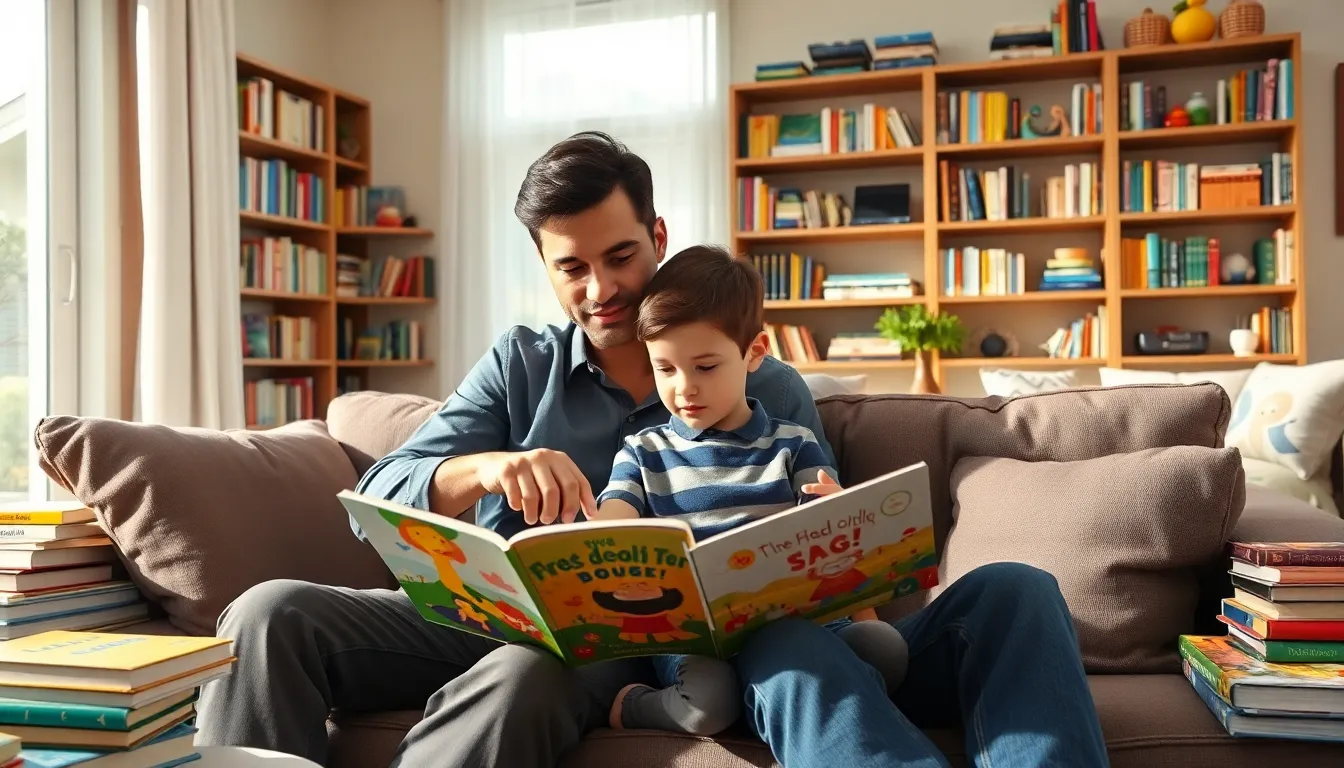
Even children who read independently benefit from hearing fluent reading. Read-alouds expose kids to vocabulary and sentence structures above their current reading level. Fifteen minutes daily creates significant gains over time. Make it a ritual, same time, same cozy spot.
Model Reading Behavior
Children imitate what they see. If parents scroll phones but never open books, kids get the message that reading isn’t important. Let children catch you reading for pleasure. Talk about books you’re enjoying.
Limit Screen Competition
Screens aren’t evil, but they compete for attention. Establish device-free times when reading becomes the natural entertainment option. Many families find success with “reading hour” before bed when all devices go away.
Visit Libraries Regularly
Library trips build excitement around books. Let children choose their own selections, even if those choices seem too easy or too hard. Ownership over reading choices increases motivation. Many libraries also offer story times, reading challenges, and summer programs that reinforce literacy skills.