Table of Contents
ToggleParenting after divorce brings unique challenges, but it also opens doors to new approaches that benefit children. Divorced parents can raise happy, healthy kids by focusing on consistency, communication, and emotional support.
This guide offers practical parenting after divorce ideas that work in real life. Parents will find strategies for building routines, improving co-parent communication, supporting their child’s feelings, and creating meaningful time in two homes. These ideas help families thrive during and after the transition.
Key Takeaways
- Consistent co-parenting routines with similar rules in both homes give children stability and reduce confusion after divorce.
- Keep co-parent communication focused on the children using written messages, and never use kids as messengers between parents.
- Validate your child’s emotions about the divorce and watch for warning signs like sleep changes, declining grades, or withdrawal.
- Quality time matters more than elaborate activities—simple moments like cooking together or reading before bed build strong connections.
- Parenting after divorce ideas work best when both parents prioritize presence, patience, and their child’s emotional well-being over perfection.
Establishing a Consistent Co-Parenting Routine
Children need predictability. A consistent co-parenting routine gives kids stability during a major life change. When both parents follow similar schedules and expectations, children feel more secure.
Start by creating a shared custody calendar. Include school days, weekends, holidays, and special events. Apps like OurFamilyWizard or Cozi make this easier. Both parents can access the schedule and update it as needed.
Consistency extends beyond schedules. Parents should agree on:
- Bedtimes and wake-up times
- Assignments expectations
- Screen time limits
- Discipline approaches
- Mealtime routines
Kids shouldn’t have to remember different rules at each house. While some variation is normal, the core structure should stay similar. A child who goes to bed at 8 p.m. at one home shouldn’t stay up until midnight at the other.
Parenting after divorce ideas like these reduce confusion. Children know what to expect, and that knowledge builds confidence. It also minimizes conflict between co-parents because everyone follows the same playbook.
Transition days often cause stress for kids. Create a simple ritual to ease these moments. Maybe it’s a special snack after pickup or a quick phone call with the other parent before bed. Small touches make big differences.
Improving Communication With Your Co-Parent
Good communication between co-parents directly impacts children’s well-being. Kids notice tension. They feel caught in the middle when parents argue or refuse to speak.
Keep conversations focused on the children. Avoid rehashing old relationship issues. Stick to practical topics: schedules, school updates, health concerns, and upcoming events.
Some parenting after divorce ideas for better communication include:
Use written communication. Text messages and emails create a record and give both parents time to respond thoughtfully. This approach reduces heated exchanges.
Keep emotions in check. Before responding to a frustrating message, wait 24 hours. Write a draft, then revise it. Remove anything defensive or accusatory.
Treat it like a business relationship. Co-parents don’t need to be friends. They need to be professional partners focused on a shared goal: their child’s happiness.
Establish regular check-ins. A weekly phone call or email exchange keeps both parents informed. This prevents surprises and builds trust over time.
Parents should never use children as messengers. “Tell your dad he needs to pay for soccer” puts kids in an uncomfortable position. Adults handle adult conversations directly.
When conflict runs high, consider a parenting coordinator or mediator. These professionals help co-parents communicate effectively. Some families use them temporarily during the divorce transition, while others benefit from ongoing support.
Supporting Your Child’s Emotional Well-Being
Divorce affects children emotionally. Even amicable separations involve loss and change. Parents play a crucial role in helping kids process these feelings.
First, give children permission to feel. Sadness, anger, confusion, all of it is normal. Statements like “It’s okay to miss Dad when you’re here” or “I understand this is hard” validate their experience.
Watch for warning signs of emotional struggle:
- Changes in eating or sleeping habits
- Declining grades
- Withdrawal from friends or activities
- Increased anger or mood swings
- Regressive behaviors in younger children
Professional support helps many children. A therapist who specializes in family transitions gives kids a safe space to talk. School counselors also provide resources.
Parenting after divorce ideas for emotional support include:
Avoid badmouthing the other parent. Children identify with both parents. Criticism of mom or dad feels like criticism of them.
Reassure children the divorce isn’t their fault. Kids often blame themselves, especially younger ones. They need to hear, repeatedly, that the divorce resulted from adult decisions.
Maintain their relationships. Encourage connections with both sides of the family. Grandparents, aunts, uncles, and cousins provide stability and love.
Keep their lives as normal as possible. Same school, same activities, same friends when feasible. Change everything at once overwhelms children.
Kids adjust at different speeds. One child might seem fine for months, then struggle suddenly. Another might have an immediate reaction that fades over time. Patience and attentiveness help parents respond appropriately.
Creating Quality Time in Two Homes
Quality matters more than quantity. Parents with limited custody time sometimes overcompensate with gifts or constant entertainment. But children remember connection, not activities.
Simple moments build strong relationships:
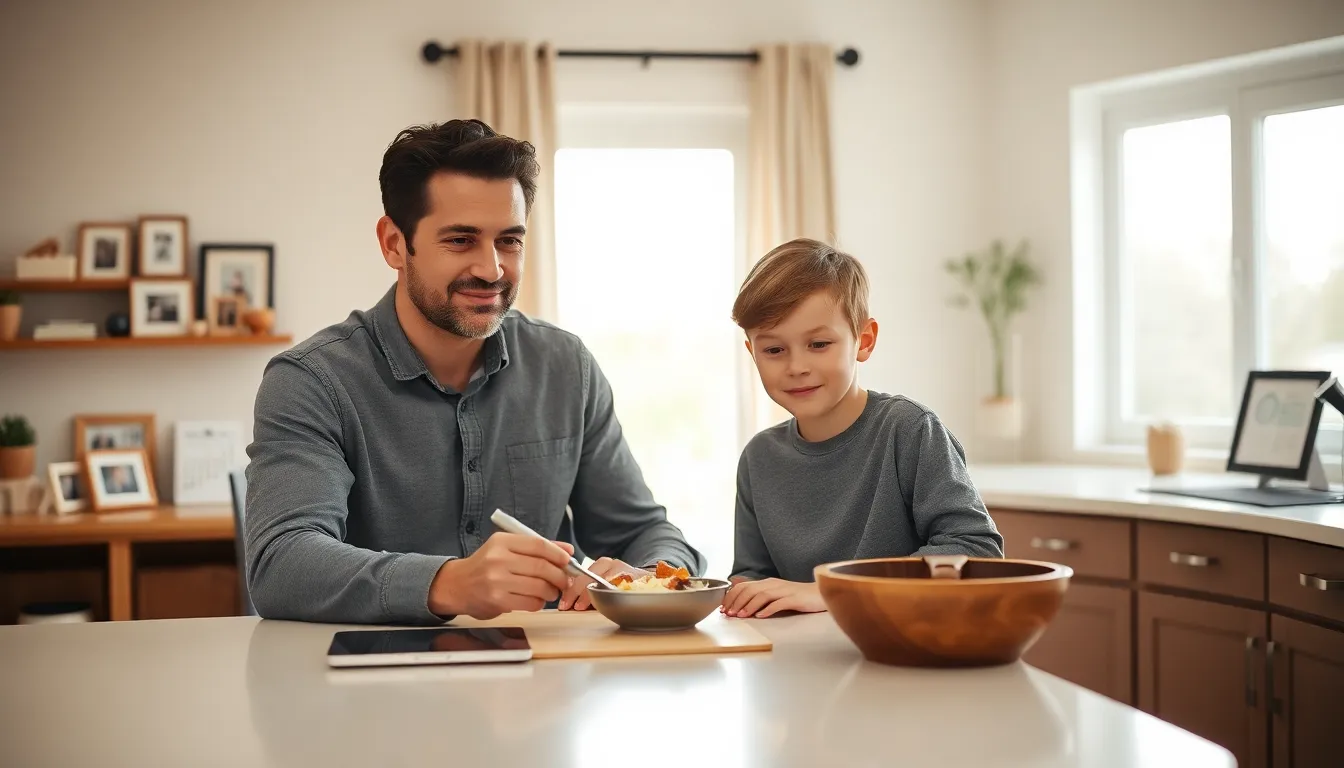
- Cooking dinner together
- Reading before bed
- Walking the dog
- Working on assignments side by side
- Playing board games
These parenting after divorce ideas don’t cost money or require elaborate planning. They create space for conversation and closeness.
Each parent can develop unique traditions. Maybe Sunday mornings mean pancakes at Dad’s house. Perhaps Mom’s house has Friday movie night. These rituals give children something to anticipate and cherish.
Avoid packing every minute with activities. Kids need downtime, especially during transitions between homes. Quiet time together, even watching TV on the couch, builds connection.
Photo displays in both homes help children feel they belong in each space. Let kids personalize their rooms with their favorite items. Having “their stuff” in both places reinforces that both homes are truly theirs.
Parenting after divorce ideas should prioritize presence over perfection. Children don’t need Pinterest-worthy experiences. They need a parent who listens, laughs with them, and shows up consistently.