Table of Contents
ToggleReading and literacy development for beginners starts with understanding how children learn to decode words and build meaning. Parents and educators often wonder where to begin when a child first shows interest in books. The process involves distinct stages, each building on the last. This guide covers the key phases of early literacy, the foundational skills children need before reading, proven teaching strategies, and ways to create a supportive environment at home. By the end, readers will have a clear roadmap for helping beginners become confident, capable readers.
Key Takeaways
- Reading and literacy development for beginners follows five predictable stages, from pre-reading (birth to age 5) through fluent reading (ages 9+).
- Build essential pre-reading skills first—phonological awareness, letter recognition, print awareness, vocabulary, and listening comprehension set the foundation for reading success.
- Systematic phonics instruction combined with shared and guided reading produces the best results for early readers.
- Read aloud to children for at least 15–20 minutes daily to build vocabulary, model fluency, and create positive associations with books.
- Create a literacy-rich home environment by filling spaces with books, limiting screen time, and celebrating every reading milestone.
- Adults who model reading habits and engage children in conversations help beginners become confident, lifelong readers.
Understanding the Stages of Early Literacy
Reading and literacy development follows a predictable sequence. Most researchers identify five main stages that beginners move through on their path to fluent reading.
Pre-Reading Stage (Birth to Age 5)
During this phase, children develop awareness of print. They learn that books have a front and back, that pages turn from right to left, and that text carries meaning. They may recognize logos, signs, and their own name. Pretend reading, where a child “reads” a familiar book from memory, is common and healthy.
Emergent Reading Stage (Ages 4–6)
Children begin connecting sounds to letters. They start recognizing high-frequency words like “the” and “and.” Picture clues help them guess unfamiliar words. Reading at this stage is slow and requires significant effort.
Early Reading Stage (Ages 6–7)
Beginners decode simple words using phonics. They read short sentences and can retell basic story events. Fluency remains choppy, but confidence grows with practice.
Transitional Reading Stage (Ages 7–9)
Readers handle longer texts with less struggle. They recognize more words automatically and begin reading for information, not just stories. Silent reading becomes possible.
Fluent Reading Stage (Ages 9+)
Readers process text smoothly. Comprehension deepens, and children read a variety of genres independently. Literacy development continues as vocabulary and critical thinking expand.
Understanding these stages helps adults set realistic expectations. A five-year-old who can’t read chapter books isn’t behind, they’re right on track.
Essential Pre-Reading Skills to Build First
Before beginners can read words, they need a foundation of pre-reading skills. These abilities prepare the brain to connect sounds, symbols, and meaning.
Phonological Awareness
This skill involves hearing and manipulating sounds in spoken language. Children who can rhyme words, clap syllables, and identify beginning sounds have strong phonological awareness. Research shows this skill is one of the best predictors of reading success.
Letter Recognition
Beginners must recognize all 26 uppercase and lowercase letters. They should also connect each letter to its most common sound. Flashcards, alphabet songs, and letter puzzles build this knowledge quickly.
Print Awareness
Children need to understand how print works. This includes knowing that words are read left to right, that spaces separate words, and that punctuation marks signal pauses or stops. Pointing to words while reading aloud builds print awareness naturally.
Vocabulary Development
A strong vocabulary helps beginners decode new words. When a child sounds out “cat” and already knows what a cat is, the word clicks into place. Conversations, read-alouds, and exposure to new experiences all expand vocabulary.
Listening Comprehension
Before children can understand what they read, they must understand what they hear. Adults can build this skill by reading stories aloud and asking questions: “What do you think will happen next?” or “How did the character feel?”
Literacy development depends on these building blocks. Skipping them often leads to struggles later.
Effective Strategies for Teaching Beginners to Read
Several proven methods help beginners learn to read. The best approaches combine phonics instruction with meaningful reading experiences.
Systematic Phonics Instruction
Phonics teaches the relationship between letters and sounds. Systematic phonics follows a logical sequence, starting with simple consonant-vowel-consonant words (like “cat” and “dog”) before moving to blends and digraphs. Studies consistently show that explicit phonics instruction benefits early readers.
Shared Reading
An adult and child read a book together. The adult models fluent reading while the child follows along. Over time, the child takes on more of the reading. This method builds confidence and exposes beginners to text slightly above their independent reading level.
Guided Reading
Small groups of children read books matched to their current ability. A teacher provides support as needed, prompting students to use strategies like sounding out words or looking at pictures for clues. Guided reading meets learners where they are.
Repeated Reading
Beginners read the same text multiple times. Each reading increases fluency and accuracy. Familiar books become “easy” books that children can read independently, building their sense of achievement.
Decodable Texts
These books contain only letter-sound patterns the child has already learned. Decodable texts let beginners practice phonics skills without guessing. They’re especially useful in early reading and literacy development.
No single method works for every child. Combining strategies and adjusting based on progress produces the best results.
Creating a Literacy-Rich Environment at Home
The home environment shapes reading habits. A few simple changes can make a big difference in literacy development for beginners.
Fill the Home With Books
Children who grow up around books read more. Keep books in the living room, bedroom, and even the car. Visit the library regularly and let children choose books that interest them. Variety matters, include picture books, nonfiction, comics, and magazines.
Read Aloud Daily
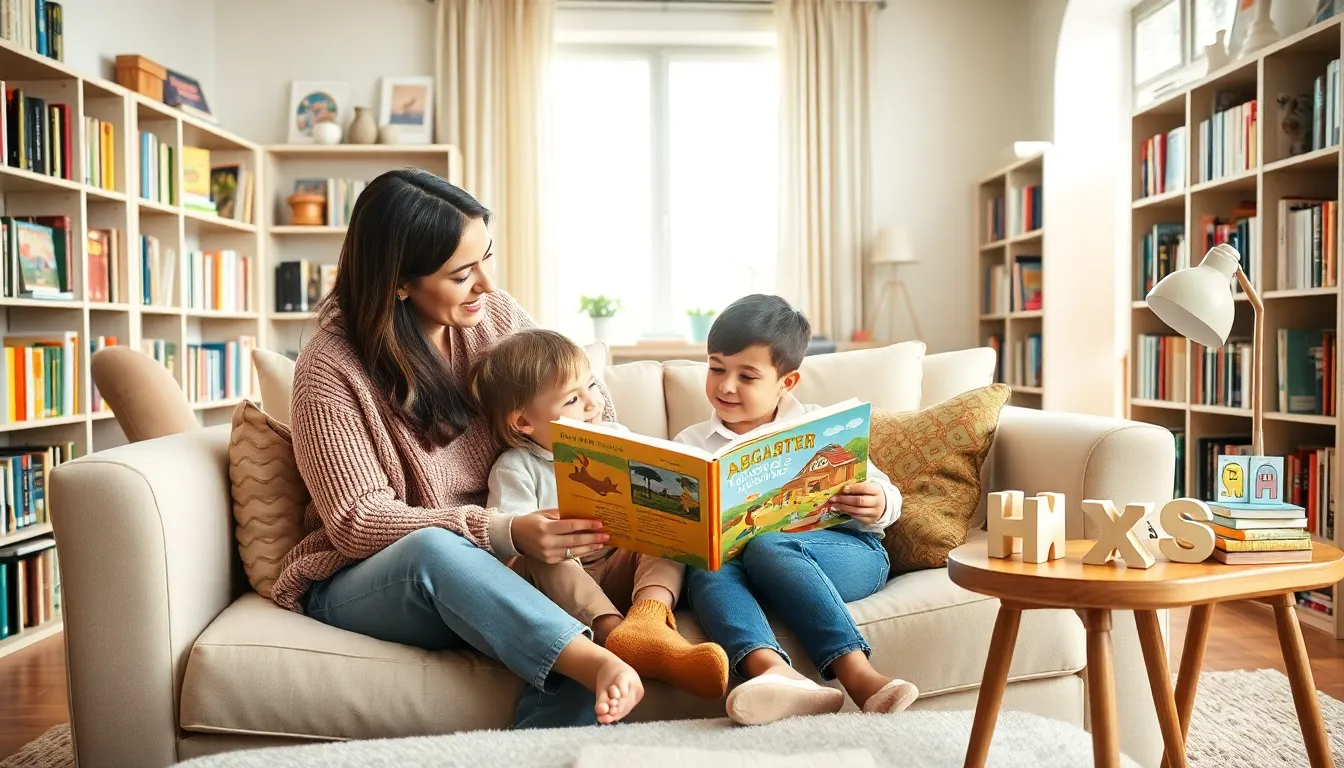
Reading aloud remains one of the most effective literacy practices at any age. It builds vocabulary, models fluent reading, and creates positive associations with books. Aim for at least 15–20 minutes per day.
Make Print Visible
Label items around the house: “door,” “chair,” “refrigerator.” Hang an alphabet poster in the child’s room. Write grocery lists together. These small actions show that print is everywhere and useful.
Limit Screen Time
Excessive screen use cuts into time for reading and conversation. Set boundaries and prioritize activities that involve language, talking, storytelling, and reading together.
Celebrate Progress
Notice when a child sounds out a new word or finishes a book. Specific praise, “You worked hard to figure out that word.”, motivates continued effort. Avoid comparing children to siblings or classmates.
Be a Reading Role Model
Children imitate adults. When they see parents reading for pleasure, they learn that reading matters. Talk about what you’re reading. Share interesting facts or stories from books and articles.
A supportive home environment turns reading from a chore into a habit. Beginners who enjoy books become lifelong readers.