Table of Contents
ToggleAdulseaech is a term that describes a specific online search service. The service targets adult content filters and access. The introduction sets clear expectations. The reader will learn what Adulseaech means, how it works, and how to use it safely.
Key Takeaways
- Adulseaech is a specialized search service that groups adult content with age filters, consent controls, and moderation tools to reduce accidental exposure and help sites meet labeling laws.
- Use Adulseaech in strict or safe mode on shared devices and enable device-level parental controls to protect minors from explicit content.
- Operators must encrypt verification data, limit access, run audits, and publish clear privacy policies to meet legal and safety obligations.
- Verify sites before sharing personal documents, prefer services that delete verification proofs after checks, and report illegal content immediately.
- Choose alternatives—mainstream search engines, platform searches, or private on-premises solutions—when you need fewer verification steps, broader results, or stronger privacy controls.
What Adulseaech Means And Why It Matters
Adulseaech refers to a search system that focuses on adult-oriented content. It sorts results by age-appropriate filters and consent controls. The term matters because it affects access and legal compliance for users and operators.
Many sites use Adulseaech to separate general content from adult content. The system reduces accidental exposure for minors. It also helps publishers follow content labeling rules and age-verification requirements.
Users choose Adulseaech when they want direct access to adult material or when they want clearer control over content filters. Regulators use Adulseaech to check if sites meet local laws. Businesses use it to avoid penalties and to protect their brand image.
How Adulseaech Works: Key Features And Mechanics
Adulseaech works through a combination of indexing, tagging, and access controls. The system indexes pages and tags them with content labels. These labels include age ratings, content type, and explicitness level.
The system uses user signals to refine results. It analyzes search queries and click patterns. It also uses blacklist and whitelist rules to block harmful sites or to allow verified partners.
Adulseaech supports age verification. The service can require identity checks before it reveals explicit content. It uses third-party verification or site-based checks. The service may use token-based access for verified users.
Adulseaech includes moderation tools. Operators can flag content, remove tags, or add warnings. The tools help content owners meet local rules and community standards.
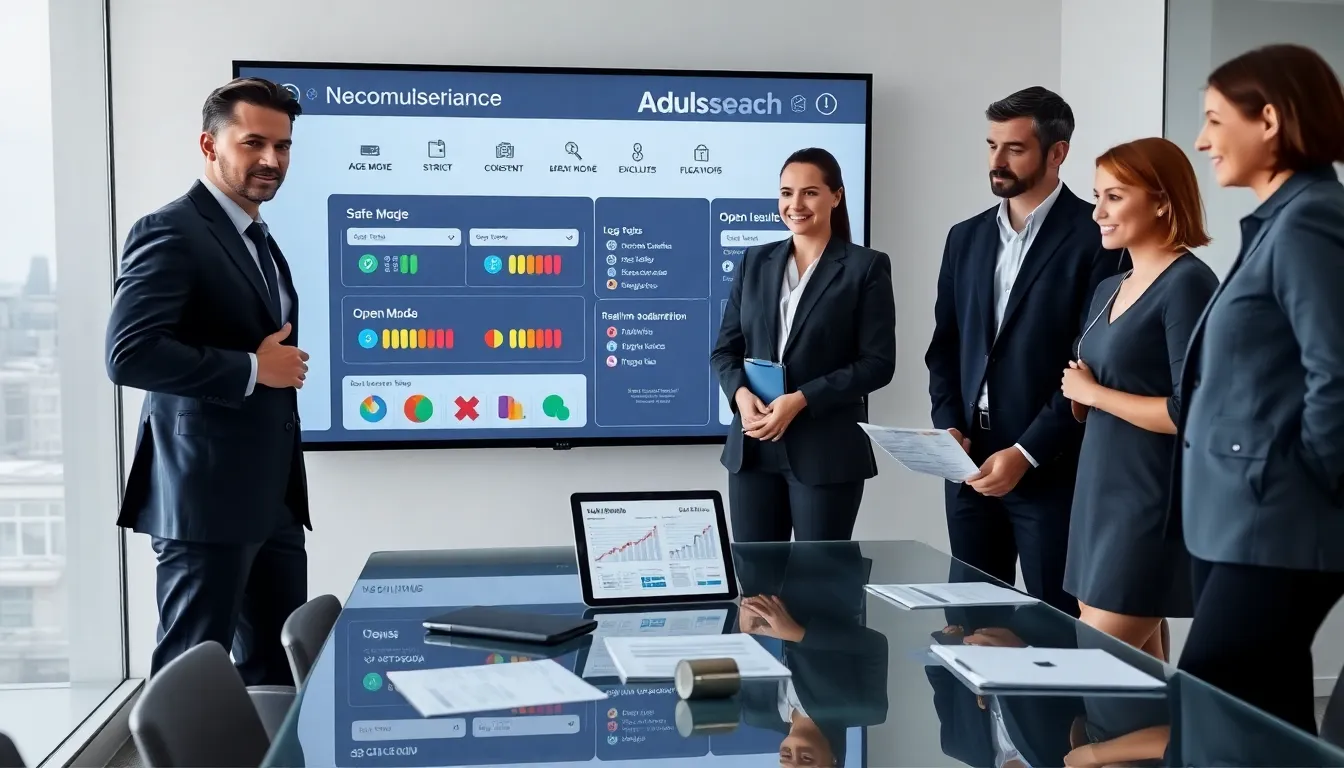
The system offers filters for safe mode, strict mode, and open mode. Safe mode hides explicit previews. Strict mode blocks explicit pages entirely. Open mode shows explicit results with consent prompts.
Privacy, Safety, And Legal Considerations
Adulseaech handles sensitive data. The system must protect personal and verification records. Operators should encrypt stored data and limit access to staff.
Users should expect clear privacy notices. The notices should state what data the system collects and how it uses it. The system should avoid collecting extra data that it does not need.
Safety measures should include age checks and fraud detection. The system should log verification attempts and flag suspicious behavior. Operators should run audits and delete unneeded records.
Legal compliance varies by country. The system must follow age-verification, labeling, and consent laws. Operators should consult legal counsel to match local rules. The system should allow users to request data deletion and to correct records.
When services share data with partners, the system should use contracts and data processing agreements. The system should notify users about third-party sharing and provide opt-outs where law requires them.
Tips For Using Adulseaech Responsibly
Users should set clear personal boundaries before they search. They should enable filters if minors use the device. They should use separate accounts for adult searches.
Users should verify sites before they share personal data. They should look for clear privacy policies and contact information. They should avoid sites that ask for unnecessary documents.
Operators should train staff on data handling and abuse reports. They should create quick response plans for takedown requests and illegal content reports. They should publish transparent policies and a clear abuse-report route.
Parents should use device-level controls along with Adulseaech filters. Parents should update filters and review activity logs periodically. They should talk to children about online safety in plain language.
Everyone should prefer services that use minimal data retention. They should choose services that allow deletion of verification proofs after checks complete.
Alternatives And When To Choose Them
Not every user needs Adulseaech. Users who want general search results should choose mainstream search engines with safe-mode options. Those engines deliver broad results and strong privacy tools.
Content platforms often provide internal filters and verified channels. Users who want curated content should use platform searches rather than Adulseaech. Curated platforms reduce exposure to low-quality or fraudulent sites.
Enterprises may choose private search solutions. Private solutions isolate traffic and limit data sharing. Enterprises that worry about compliance often prefer on-premises systems or vetted third-party vendors.
Users should choose alternatives when they want fewer verification steps. They should use alternatives when they need local-language moderation or region-specific rules.
When cost matters, free search tools provide basic filtering. Paid services often add verification, auditing, and legal support. Users should weigh costs against risk and compliance needs.
Common Misconceptions About Adulseaech
Many people think Adulseaech removes all risky content. The system reduces risk but cannot remove every bad actor. Some bad sites use evasion tactics. Operators should update rules and blocklists regularly.
Another misconception is that Adulseaech removes the need for parental controls. The system helps, but it does not replace device-level controls and guardianship.
Some users expect full anonymity with Adulseaech. The system may log verification events for safety and legal reasons. Users should read the privacy terms before they verify.
Quick Checklist Before You Use Adulseaech
- Check the site privacy policy and data retention rules.
- Enable safe or strict mode if minors use the device.
- Use verified channels rather than unknown third parties.
- Prefer services that delete verification proofs after checks.
- Keep device-level parental controls active.
- Report illegal content to site operators or authorities.